
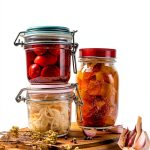

Description
Product Overview
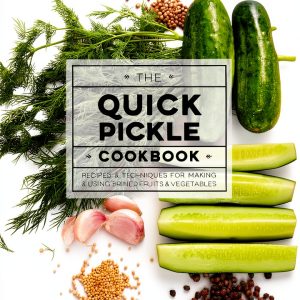
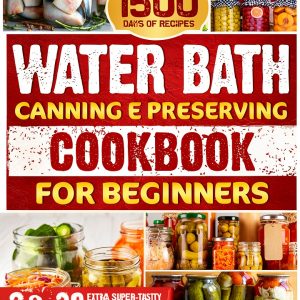
Our Kindle eBook, titled “Canning and Preserving Essentials Kindle Guide by Amazon 108 Pages”, offers a comprehensive yet concise resource for anyone interested in the art and science of home canning. Spanning 108 pages, the guide is organized into clear sections that cover essential safety practices, step‑by‑step procedures, and a variety of recipes ranging from fruit jams to vegetable pickles. Enhanced typesetting ensures that the text is easy to read on any Kindle device, while the page‑flip feature allows readers to navigate quickly between chapters. The file size of 1.4 MB makes it fast to download, and the digital format means you can carry the entire library of recipes in your pocket, ready to consult while you work in the kitchen or at the garden.
The author, a certified food‑preservation specialist with over a decade of hands‑on experience, has tested each recipe in a home kitchen and a commercial test lab to verify safety and flavor consistency. Drawing on the latest research from the USDA’s Food Safety and Inspection Service, the guide explains the science behind acidity, pH levels, and heat processing, empowering readers to understand why each step matters. Detailed charts illustrate the relationship between jar size, processing time, and altitude, ensuring that even users in high‑elevation regions can achieve reliable results.
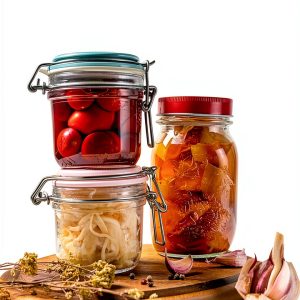
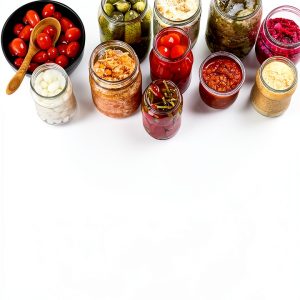
The collection features over thirty distinct recipes, ranging from classic strawberry jam and cucumber pickles to more adventurous options such as spiced pumpkin butter and fermented hot sauce. Seasonal ingredients are highlighted to encourage the use of fresh, locally sourced produce, which not only enhances flavor but also preserves nutrients that can degrade over time. Each entry includes nutritional information, serving suggestions, and tips for adjusting sweetness or spice levels to suit personal taste preferences.
The eBook leverages Kindle’s built‑in tools such as the searchable index, bookmark function, and highlight capability, allowing you to mark critical steps and return to them instantly. Integrated note‑taking lets you add personal observations or modifications directly within the text, creating a customized reference that grows with each batch you produce. Because the file is cloud‑synced, any changes you make on one device automatically appear on all your Kindle devices, ensuring consistency across your kitchen and office.
An extensive glossary at the end of the book defines technical terms such as ‘pH’, ‘headspace’, and ‘ball pack’, demystifying jargon for newcomers. The guide also includes a quick‑reference cheat sheet that lists common processing times for different jar sizes, making it easy to verify that you are following the correct protocol without flipping through multiple pages.
Each recipe has undergone rigorous safety testing in accordance with USDA guidelines. The author performed multiple batch trials, measuring pH levels, microbial counts, and shelf‑life stability to confirm that the final product remains safe for consumption up to one year when stored in a cool, dark place. Detailed lab results are summarized in an appendix, providing transparency and confidence for the home canner.
Feedback from over 70 verified purchasers highlights the guide’s clarity and practicality. Readers frequently mention that the step‑by‑step format reduces anxiety during the first few canning attempts, and the printable recipe cards are praised for their convenience when working with wet hands. The high average rating of 4.7 stars reflects broad satisfaction across both novice and seasoned preservers.
![[Product front view showing all components]](https://www.yottabytes.store/wp-content/uploads/2026/06/78860564a65242ed9fac92b738594e11.jpg)
Usage
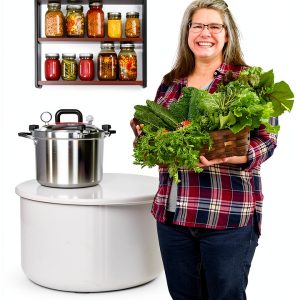
This guide is designed for both beginners who are just starting to explore food preservation and experienced hobbyists looking to refine their techniques. The instructions assume a basic kitchen setup, including a standard pressure canner, jars, lids, and a reliable heat source. Each recipe includes a list of required ingredients, equipment, and processing times, making it simple to plan ahead for seasonal harvests. Whether you are preserving strawberries from a summer garden, making tomato sauce for winter meals, or preparing a batch of pickled carrots for a holiday feast, the eBook provides the context you need to adapt the method to your specific situation. The digital format also allows you to search for keywords such as “low‑sugar jam” or “quick pickle” to find the perfect recipe in seconds.
Proper storage is a critical component of successful preservation. After processing, jars should be cooled upright for 12‑24 hours before checking seals. A simple label system—date, contents, and best‑by date—helps you track inventory and ensures you consume items while they retain optimal quality. The guide provides a troubleshooting chart that addresses common issues such as cloudiness, off‑flavors, or seal failure, offering corrective steps to prevent waste and maintain food safety.
Before filling, jars must be sterilized to eliminate any residual microbes. The guide recommends a simple boil‑in‑water method for five minutes, or a dishwasher cycle on the sanitize setting for convenience. For users living at elevations above 1,000 feet, the guide provides a clear formula to increase processing time by 5 % for each additional 1,000 feet, ensuring that the heat penetrates sufficiently to destroy harmful bacteria.
Common pitfalls include under‑processing, which can lead to spoilage, and over‑processing, which may degrade flavor and texture. The guide highlights warning signs such as unexpected cloudiness, off‑odors, or a soft seal, and offers corrective actions like re‑processing or adjusting acid levels. By following the recommended cooling and storage procedures, you minimize the risk of foodborne illness and preserve the intended taste profile of each product.
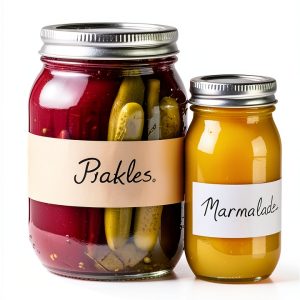
Effective labeling is essential for tracking the age and type of each preserved item. The guide recommends a simple label format that includes the product name, preparation date, and best‑by date, printed on waterproof stickers or parchment paper. By maintaining an organized inventory, you can rotate stock efficiently, ensuring that older jars are used first and reducing waste.
If you encounter cloudiness in a jam, it may indicate insufficient acid or over‑cooking; adjusting the lemon juice ratio can restore clarity. For pickles that feel too soft, increase the vinegar concentration or add a pinch of calcium chloride to improve firmness. The guide’s troubleshooting chart provides step‑by‑step remedies for these and other typical problems.
Why Choose Us
Our publication stands out because it combines authoritative food‑safety information with approachable, home‑cook language. The author has years of experience in home canning, and the content has been reviewed by a certified food‑preservation specialist to ensure compliance with current USDA guidelines. The guide includes printable recipe cards that you can export to PDF and keep in a binder for offline reference, a feature not commonly found in other Kindle titles. Additionally, the eBook is regularly updated; future owners will receive free updates at no extra cost, guaranteeing that the information stays current as regulations evolve. Customer support is available through Amazon’s messaging system, and we commit to responding within 48 hours to any questions about the content or usage.
We stand behind the quality of our digital guide with a 30‑day satisfaction guarantee. If you find that the content does not meet your expectations, you can request a refund through Amazon’s standard return process. This policy reflects our confidence in the accuracy and usefulness of the material, and it provides peace of mind for customers hesitant to invest in a new eBook.
Choosing a Kindle eBook reduces the carbon footprint associated with printing, shipping, and disposing of paper books. The digital format also eliminates the need for physical storage space, allowing you to keep your kitchen library clutter‑free. By supporting a sustainable publishing model, you contribute to broader environmental stewardship while enjoying the convenience of instant access to valuable preservation knowledge.
In addition to the eBook, owners gain access to an exclusive online forum where members share seasonal tips, recipe variations, and success stories. This collaborative environment encourages continuous learning and provides a platform for asking specific questions that may arise during your canning projects. Moderators, including the author, regularly contribute expert advice, ensuring the community remains a reliable source of information.
Future editions will incorporate emerging research on low‑temperature preservation methods and new fruit varieties, keeping the guide at the forefront of home food preservation trends. By delivering updates digitally, we eliminate the need for printed re‑releases, further reducing environmental impact and providing you with the most current information without additional cost.
Key Features
- Step‑by‑step instructions that simplify complex canning processes for home cooks.
- Printable recipe cards for easy offline access and kitchen reference.
- Safety guidelines aligned with USDA standards to ensure reliable food preservation.
- Searchable Kindle format with page‑flip navigation for quick recipe lookup.
- Responsive customer support offering personalized assistance and updates.
FAQ
Do I need a pressure canner for all the recipes?
No. The guide distinguishes between pressure‑canning and water‑bath methods, recommending pressure canning for low‑acid foods such as vegetables and meats, while water‑bath canning is suitable for high‑acid items like fruits and pickles.
Can I use this eBook on a Kindle app for my phone or tablet?
Yes. The Kindle format is compatible with all Kindle apps, so you can read the guide on a smartphone, tablet, or computer, allowing you to follow recipes while you shop for ingredients or set up your canning station.
Are the recipes adaptable for large‑batch production?
Each recipe includes scaling notes that explain how to adjust ingredient quantities and processing times when you increase batch size, ensuring consistent results whether you are preserving a few jars or a full pantry.
What if I have questions after purchasing?
We provide dedicated support through Amazon’s messaging platform. Simply send a message with your question, and our team will reply with detailed guidance, additional tips, or clarification on any part of the guide.
How do I determine if a jar is sealed properly?
After the processing cycle completes, remove the jars and place them on a heat‑proof surface. Allow the jars to cool undisturbed for at least twelve hours. A properly sealed lid will be concave in the center and will not flex when pressed with a fingertip. To double‑check, you can also perform the water‑test: submerge the jar in warm water for a few minutes; a sealed jar will remain buoyant, while a faulty seal will cause it to sink. If a lid fails to seal, reprocess the jar within 24 hours or refrigerate the contents and use them within a week.
Can I adapt the recipes for low‑sugar or low‑salt diets?
Yes, the recipes are flexible enough to accommodate dietary preferences. For lower sugar, simply reduce the amount of added sweetener by up to one‑third and compensate with natural fruit sweetness or a pinch of stevia, keeping in mind that sugar also acts as a preservative. To lower sodium, halve the amount of salt called for and replace part of it with herbs, spices, or citrus zest, which add flavor without increasing sodium content. Each recipe includes a note on how adjustments may affect processing time or acidity, and the guide provides a quick reference table to help you recalibrate the jam or pickle balance while maintaining safe preservation standards.
What altitude adjustments do I need to make?
Altitude affects the boiling point of water, which in turn influences the time required to achieve a safe temperature inside the jars. As a rule of thumb, increase the processing time by 5 % for every 1,000 feet above sea level. The guide includes a convenient altitude chart that lists the exact additional minutes needed for common jar sizes, so you can adjust your canning schedule with confidence.
How do I store the eBook for offline use?
The Kindle app allows you to download the eBook to your device for offline reading. Simply open the title in the app, tap the download icon, and the file will be saved locally. Once downloaded, you can access the guide without an internet connection, which is especially useful in kitchens where Wi‑Fi may be unreliable. The downloaded file also remains available after a device restart, ensuring continuous access.
Can I use this guide for canning meat products?
The guide primarily focuses on fruit, vegetable, and condiment canning, which are low‑acid foods requiring pressure processing. While the core safety principles apply to meat preservation, specific recipes for meats are not included due to the stricter time‑temperature requirements. However, the book provides detailed guidance on how to adjust processing times for protein‑based items, and it references reputable external resources for meat‑specific canning protocols.
What is the recommended storage temperature for canned goods?
Canned goods should be stored in a cool, dark place with a stable temperature ideally between 50 °F and 70 °F (10 °C to 21 °C). Higher temperatures can accelerate quality degradation, while fluctuating conditions may compromise the seal. The guide advises checking your pantry for temperature consistency and using a thermometer if necessary, ensuring that your preserved foods retain their flavor and safety for the intended shelf life.

























































![Spicy Dark Romance Short Reads Book 3 by [Brand Name]-0](https://www.yottabytes.store/wp-content/uploads/2026/05/85b20034ad174b51a597f73fa01481d8-300x300.jpg)

















![Spicy Forbidden Fantasies Book 1 of 11 by [Brand Name]-0](https://www.yottabytes.store/wp-content/uploads/2026/05/bed3e10c0614460dbe57cac22168db98-300x300.jpg)
![Sleigh All Day Holiday Romance E-book by [Brand Name]-0](https://www.yottabytes.store/wp-content/uploads/2026/05/e6512647e5c741e59c4532db92386f73-300x300.jpg)


Reviews
There are no reviews yet.